


Doesn’t the phrase have a certain absurdity reminiscent of Star Wars? Who fired first? Fans have been debating Greedo and Han Solo in a Mos Eisley cantina for almost thirty years. The same question is now being asked about the United States and Iran in the Strait of Hormuz in an odd echo. This time, the response affects freight rates, oil prices, and the anxiety of every trader between Singapore and Stamford.
The incident on Thursday happened quickly and badly. Each side says the other started shooting. Statements from both sides appear to have been written by attorneys rather than admirals. The world market has been doing what it always does when it can’t see clearly—flinching, hedging, and repricing everything it touches—in the quiet between those two contradictions.
Roughly one-fifth of the world’s oil flows through the Strait of Hormuz, a narrow stretch of water that is only 21 miles across at its narrowest point. That figure seems clinical until you consider the tankers themselves, which are enormous, slow, and painted in chipped reds and blacks. They pass American destroyers and Iranian patrol boats that have been staring at each other for years in a single file. What transpired on Thursday might have been a misinterpreted radar signal. It might have been intentional. Nobody in Washington or Tehran wants to acknowledge the possibility that even the people on the boats are unsure.
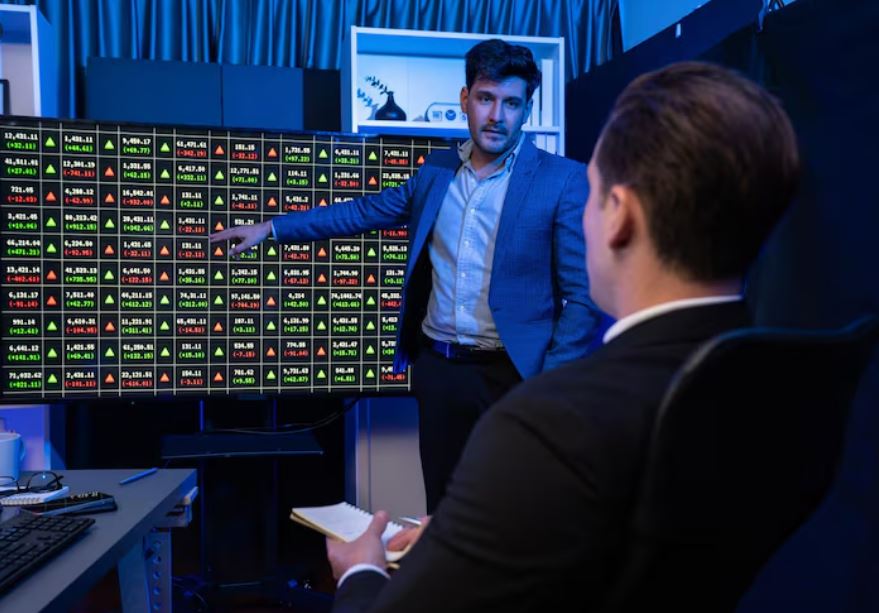
Brent Crude jumped on the news, calmed down, and then leapt once more on an unverifiable follow-up report. These times are referred to as “headline weather” by traders I’ve spoken with over the years; you start reading the wire instead of the fundamentals. Watching the tape gives the impression that the market doesn’t genuinely think a larger conflict is imminent. However, it doesn’t think it isn’t either. The premium is found in that hesitancy and gap.
Strangely, everything feels so familiar. The question of who fired the first shot was debated for weeks during the 1993 Ruby Ridge hearings. In his memoirs, McFaul, the former American ambassador to Moscow, acknowledged that “we do not know for sure who shot first” in a completely different conflict, despite having complete access to communications traffic. History tends to be unclear just when we need it to be clear. Investors appear to have an overly optimistic belief that intelligence services will resolve this in a matter of days. They could. They may not.

The remainder of the news cycle, meanwhile, continues as if nothing had occurred. The same morning, Stellantis announced a 60-billion-euro turnaround plan that aims to achieve positive cash flow by 2028. This is a bold move from a business that has spent the previous two years cutting, reorganizing, and replacing executives. Following news of a $2 billion federal grant program, quantum computing stocks surged in premarket. Iran stated that it was “reviewing” the most recent peace proposal from the Trump administration, which is diplomatic code for “we’ll get back to you, maybe.”
The increasingly compartmentalized nature of markets is difficult to ignore. One headline is about a near-shooting in one of the most strategically important waterways in the world; another is about a turnaround plan in Turin; and a third is about quantum stocks. And somewhere, a fund manager is attempting to determine whether any of these have an impact on the returns for the upcoming quarter.
To be honest, we don’t know yet. It will be some time before we find out. Whoever fired the shot is already included in a record that no one can fully understand. In any case, the market will price it as it always does, in the middle of forgetting and fear.
