

Close Menu
CovMediaCovMedia
    What's Hot

    The Smart Contract Legal Loophole: Why Traditional Commercial Insurance Firms Are Refusing to Underwrite Algorithmic Agreements

    June 30, 2026

    The LVMH Slowdown: What Slumping Champagne and Couture Sales Tell Us About the Global Elite

    June 30, 2026

    London’s Alternative Investment Market (AIM) Crisis: Why British Startups Are Flocking to Nasdaq

    June 30, 2026
    Facebook X (Twitter)
    CovMediaCovMedia
    • Home
    • Trending
    • Banking
    • Economy
    • FinTech
    • Game
    • Investments
    • Markets
    • Tech
    CovMediaCovMedia
    Home » The MrBeast Economy: How One YouTube Creator Built a Supply Chain rivaling Major Corporations
    Economy

    The MrBeast Economy: How One YouTube Creator Built a Supply Chain rivaling Major Corporations

    Sam AllcockBy Sam AllcockJune 30, 2026No Comments3 Mins Read
    Facebook Twitter Pinterest LinkedIn Reddit WhatsApp Email
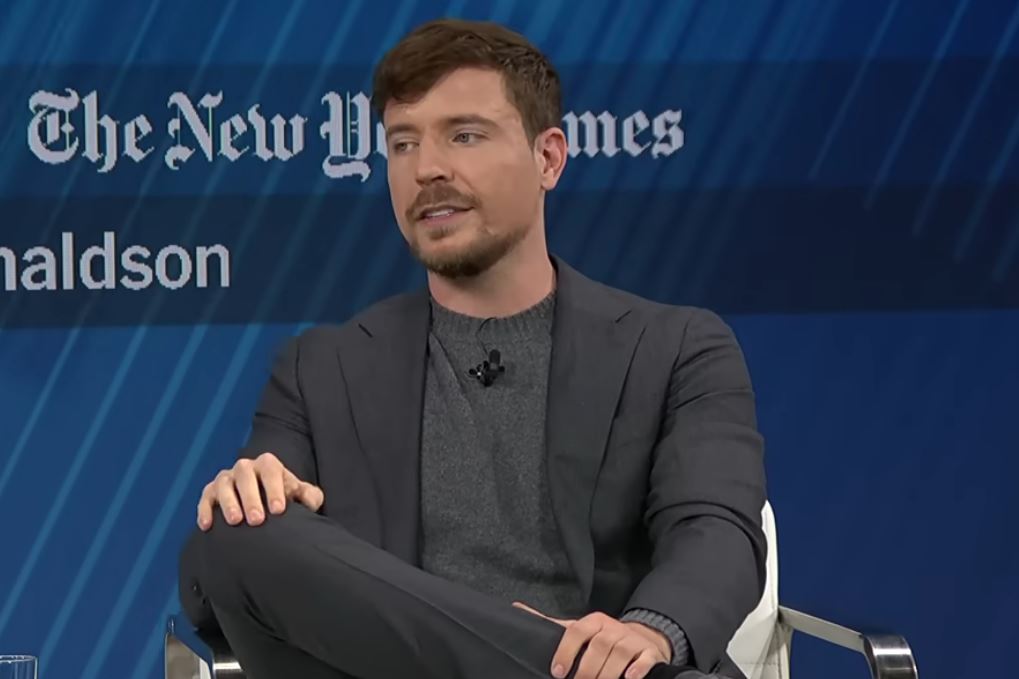
    The MrBeast Economy
    The MrBeast Economy
    Share
    Facebook Twitter Pinterest Reddit WhatsApp Email

    The majority of people do not associate Greenville, North Carolina, with international trade. There isn’t a corporate campus, a skyline, or anything that says “headquarters.” However, the operational core of one of the most bizarre business stories of the past ten years—a YouTube channel that developed into something more akin to a consumer goods company than a media brand—lies somewhere behind its unremarkable strip malls.

    In 2012, Jimmy Donaldson—known to almost 500 million subscribers as MrBeast—began posting videos. Thousands of teenagers were posting gaming commentary at the time, which made the early content unmemorable. It wasn’t just talent that made a difference. It was a readiness to keep raising the bar, video after video, until the production budgets began to resemble a studio’s line item rather than a creator’s pastime.

    By the time he was driving a train into a pit or putting on a real-life reenactment of Squid Game, the videos themselves had taken a backseat to what they were funding. Donaldson has stated time and time again that every dollar earned is put back into the next project. More than any one viral moment, that reinvestment habit is likely what laid the groundwork for everything else.

    The number of subscribers isn’t what makes the MrBeast story truly unique. It’s the actual footprint that lies behind it. His chocolate and snack brand, Feastables, now needs real manufacturing connections, sourcing ingredients, packaging lines, and retail distribution—the unglamorous machinery that any food business depends on. In order to route orders through already-existing commercial kitchens, MrBeast Burger relied on Virtual Dining Concepts. This workaround allowed a creator with no prior restaurant experience to suddenly be present in thousands of delivery zones. For a while, it was effective. Then it didn’t, and the lawsuits that followed revealed just how messy “creator-led supply chain” can get when quality control isn’t built to match growth.

    The MrBeast Economy
    The MrBeast Economy

    Beneath the headlines, there’s a feeling that this is the true lesson. Before expanding into new categories, traditional corporations invest years in creating operational redundancy, vendor audits, and compliance teams. Both that luxury and that patience are unavailable to creators. Rather than relying on institutional infrastructure, Donaldson’s expansion into food, fashion, and television production was primarily driven by audience trust. The Beast Games controversy, with its lawsuits over working conditions and contestant treatment, suggests the seams are visible if you look closely. However, it has performed remarkably well in terms of revenue, with reports placing his combined ventures on a trajectory toward $700 million annually.

    Observing this from the outside, it’s difficult to ignore the similarities, albeit inverted, to how previous media moguls functioned. After decades of telling stories, Walt Disney created theme parks. Within a few years of his first viral hit, Donaldson created the equivalent of theme parks and snack aisles, with the content serving more as an ongoing advertisement for everything else than as a finished product.

    It remains to be seen if this model is a viable long-term business structure. Supply chains centered around a single person’s image carry a risk that General Mills and McDonald’s just don’t have to consider: what will happen to the chocolate bars if the person behind them retreats, burns out, or simply loses appeal to sixteen-year-olds in five years? For the time being, however, the orders continue to be shipped, the videos continue to grow in size, and a YouTuber from eastern North Carolina continues to manage something that, at least on paper, acts very much like a corporation.

    MrBeast Economy
    Share. Facebook Twitter Pinterest LinkedIn WhatsApp Reddit Email
    Previous ArticleThe Microsoft AI Monopoly: Why Regulators in London and Washington Are Preparing Antitrust Lawsuits
    Next Article Toronto’s Condo Crash: The Devastating Impact of High Rates on Pre-Construction Real Estate Investors
    Sam Allcock
    • Website
    • X (Twitter)
    • LinkedIn

    Related Posts

    Texas vs. California: The Trillion-Dollar Corporate Exodus Reshaping the American Economic Map

    June 30, 2026

    Australia’s Iron Ore Reliance: Why a Slowdown in Beijing is Triggering Panic in Sydney

    June 30, 2026

    The BRICS Currency Fantasy: Why the Push to Dethrone the U.S. Dollar is Economically Impossible

    June 30, 2026

    Comments are closed.

    Top Posts

    How to Get Cricfy TV Download for Smart TV Apps Without the Play Store

    April 20, 202517,644 Views

    Rory McPhee Net Worth Revealed – Mel B’s Husband Is Secretly a Millionaire!

    July 31, 2025471 Views

    Jay Kay Net Worth, Inside the $70 Million Life of the Funk Icon with 22 Cars and a Buckinghamshire Mansion

    July 11, 2025447 Views

    Character AI No Filter: The Secret Trick That’s Changing AI Conversations Forever

    April 16, 2025404 Views
    Don't Miss
    FinTech

    The Smart Contract Legal Loophole: Why Traditional Commercial Insurance Firms Are Refusing to Underwrite Algorithmic Agreements

    By Sam AllcockJune 30, 2026

    When an underwriter goes through a smart contract term sheet for the first time, there’s…

    The LVMH Slowdown: What Slumping Champagne and Couture Sales Tell Us About the Global Elite

    June 30, 2026

    London’s Alternative Investment Market (AIM) Crisis: Why British Startups Are Flocking to Nasdaq

    June 30, 2026

    Texas vs. California: The Trillion-Dollar Corporate Exodus Reshaping the American Economic Map

    June 30, 2026

    Subscribe to Updates

    Get the latest creative news from SmartMag about art & design.

    Our Picks
    About Us
    About Us

    Stay informed with CovMedia's latest business and finance updates. For queries, contact editor@covmedia.co.uk. Empowering you with accurate insights and news.

    Our Picks

    The Smart Contract Legal Loophole: Why Traditional Commercial Insurance Firms Are Refusing to Underwrite Algorithmic Agreements

    June 30, 2026

    The LVMH Slowdown: What Slumping Champagne and Couture Sales Tell Us About the Global Elite

    June 30, 2026

    London’s Alternative Investment Market (AIM) Crisis: Why British Startups Are Flocking to Nasdaq

    June 30, 2026
    Most Popular

    The Microfinance Illusion – Did It Actually End Poverty?

    March 18, 20264 Views

    Why Semiconductor Supply Chains Are Under Global Scrutiny

    March 31, 20264 Views

    A.I.’s High Blast Radius – Inside Elon Musk’s Dire Warning to Amazon Employees

    March 31, 20264 Views
    © 2026 ThemeSphere. Designed by ThemeSphere.
    • About Us
    • Contact Us
    • Privacy Policy
    • Terms and Conditions

    Type above and press Enter to search. Press Esc to cancel.