



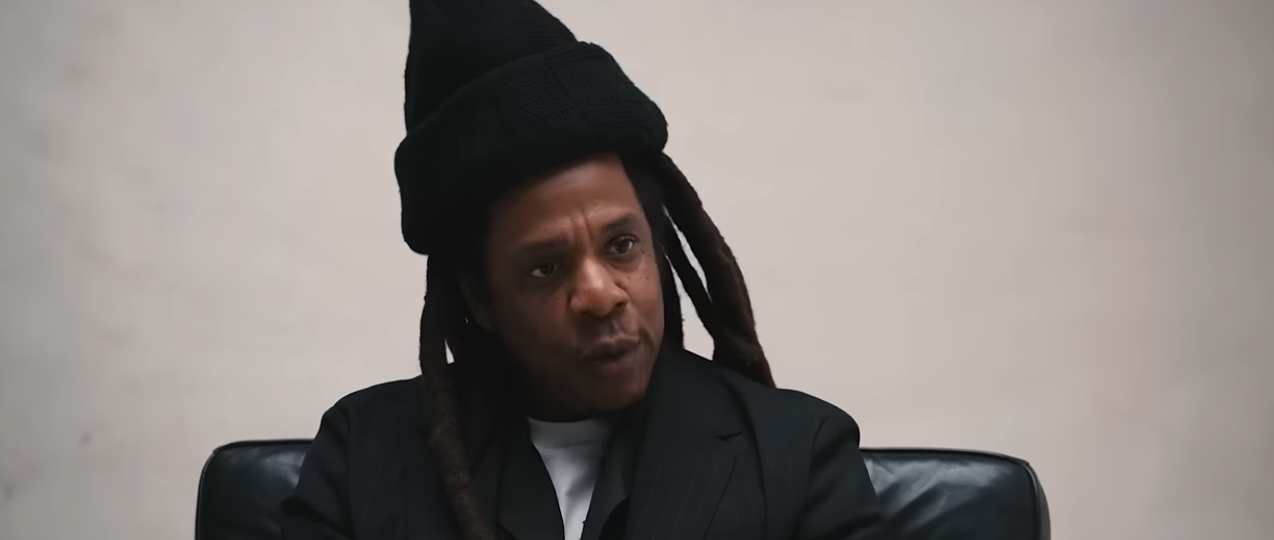
Investors keep using a line that Jay-Z said years ago in places where rappers don’t usually get used. “I’m not a businessman, I’m a business, man.” At first glance, it sounds like puffery. If you look into it more, it sounds like the thesis statement for one of the most organized ways for celebrities to manage their money today.
Shawn Carter went from living in Marcy Houses in Brooklyn to having a net worth of $2.5 billion. His story is not about music royalties or arenas that are packed to the brim. To own something and know when to let go of what you’ve made is what this story is about.
The pattern looks a lot like surgery. He buys an asset that isn’t worth as much or isn’t in the right place, gives it cultural legitimacy, waits for the right strategic buyer, and then sells it at a price that even Wall Street thinks is high. Armand de Brignac and D’Ussé, two deals involving spirits, brought in more than a billion dollars between them. In 2021, Armand de Brignac sold a 50% stake to LVMH’s Moët Hennessy for $640 million. Since 2014, he has worn Ace of Spades champagne as a calling card. D’Ussé came next in early 2023. His sale of his majority stake was said to have brought in about $750 million at a $3 billion valuation. These weren’t just lucky breaks. They were made after years of building cultural credibility before they were shown to the world’s most powerful high-end buyers.
There is a different way that the Tidal chapter can teach you. He paid $56 million for the Scandinavian streaming service in 2015, and the short version of that story is that it’s not a good idea to go up against Spotify. It’s more likely that he sold it to Jack Dorsey’s Square in 2021 for about $300 million, which is five times what he paid for it. Dorsey got the artist revenue infrastructure he was looking for. The streaming wars were not won by Tidal. It wasn’t necessary for Jay-Z. He had a better understanding of the asset than most people who looked at it, which is probably the most important skill for early-stage investors.
His tech work through Marcy Venture Partners, a fund named after the Brooklyn housing project where he grew up, is less well known than his work with spirits but still very important. This group includes people who have backed Oatly, Sweetgreen, Ethos, and SpaceX. There’s also the early Uber bet, which was a $2 million bet made in 2011 when Uber was still a black car app with plans to expand to San Francisco and no clear path to go global. When the company went public, that investment paid off many times over. You can’t help but notice what that bet says about how he judges people, not just markets.
All of that is on top of Roc Nation, the entertainment company he started in 2008 that makes $100 million or more a year. It works with athletes through Roc Nation Sports and manages artists. It also has a partnership with the NFL that produced the Super Bowl halftime show. Roc Nation gives artists more than just money; it gives them leverage. Because of those connections, deals can happen. Because of that roster, brands get stronger. There are ways that the investment portfolio and the operating platform add to each other that a simple net worth number doesn’t show.
Now there are more and more signs that Jay-Z is moving his cash, most of which came from selling his spirits, toward something more structured on the financial side. Details are still being worked out, and it’s not clear what a formal Wall Street business for someone who has mostly worked outside of traditional financial channels looks like. But it makes sense. Institutional investors spend their whole careers trying to build up their capital, network, track record, and ability to spot patterns. He has all of these things.
As you look at this arc, you get the sense that the music was only the start. One exit at a time, the real portfolio was being put together right in front of everyone.
