

Close Menu
CovMediaCovMedia
    What's Hot

    The Carbon Credit Arbitrage – How Wall Street is Profiting Off the Dysfunctional Green Energy Market

    July 8, 2026

    The Gwyneth Paltrow Goop Paradox – Why the Controversial Wellness Brand is Worth Quarter of a Billion

    July 8, 2026

    Jessica Alba’s Honest Company Rebound – The Financial Realities of Running a Publicly Traded Eco-Brand

    July 8, 2026
    Facebook X (Twitter)
    CovMediaCovMedia
    • Home
    • Trending
    • Banking
    • Economy
    • FinTech
    • Game
    • Investments
    • Markets
    • Tech
    CovMediaCovMedia
    Home » The Global Water Scarcity Derivative – How Financial Markets Are Pricing the Future of the Planet’s Most Vital Resource
    News

    The Global Water Scarcity Derivative – How Financial Markets Are Pricing the Future of the Planet’s Most Vital Resource

    Sam AllcockBy Sam AllcockJuly 8, 2026No Comments4 Mins Read
    Facebook Twitter Pinterest LinkedIn Reddit WhatsApp Email
    The Global Water Scarcity Derivative: How Financial Markets Are Pricing the Future of the Planet’s Most Vital Resource
    The Global Water Scarcity Derivative: How Financial Markets Are Pricing the Future of the Planet’s Most Vital Resource
    Share
    Facebook Twitter Pinterest Reddit WhatsApp Email

    At the end of 2020, Nasdaq quietly opened the world’s first water futures market. This was a financial product that was tied to the price of water in California. It wasn’t in the news like crude oil is. But people who had been paying close attention to the water sector thought it was a sign. the kind that usually comes before something much bigger starts.

    Most of the Earth’s surface is water, but only a small amount of it is fresh water, and even less is easy to get to. Those numbers haven’t changed a great deal. What has changed is the pressure on that small supply. That pressure comes from population growth, demand in agriculture, power generation, and now the powering of the AI boom by data centers that need a lot of electricity. When all of these forces come together, they create a real, market-priced water shortage, which economists used to think was just a theory.

    More than 2.1 billion people still can’t get clean water when they need it. Every year, almost 4 billion people live in places with severe water stress for at least one month. These are not predictions; these are actual numbers that have been gathered and are not widely contested. The question that still needs to be answered is whether financial markets, with their tools and incentives, are the best way to handle a crisis of this size and impact.
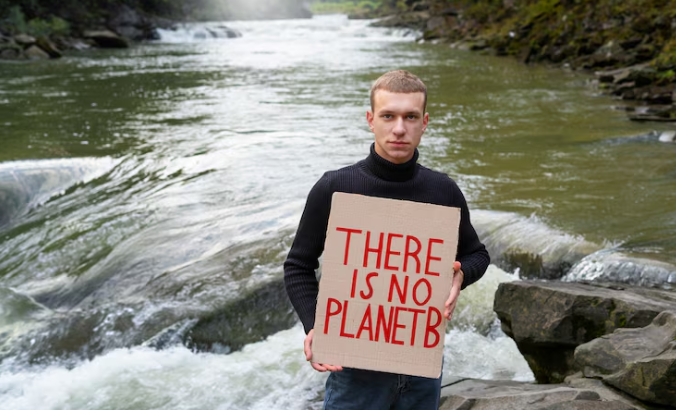
    The Global Water Scarcity Derivative: How Financial Markets Are Pricing the Future of the Planet’s Most Vital Resource
    The Global Water Scarcity Derivative: How Financial Markets Are Pricing the Future of the Planet’s Most Vital Resource

    The case for market involvement goes something like this: water is consistently underpriced, and governments have consistently underinvested in infrastructure. This leads to overuse and damage. When prices are more in line with how scarce something is and how much it costs, investment follows. In theory, futures contracts, tradable water rights, and tiered pricing structures could help get water to its best uses while also paying for the infrastructure that brings it there.

    There’s a chance that logic works sometimes. Australia’s Murray-Darling Basin has had a water trading system in place for decades, and the results have been very mixed. Water did flow to higher-value agriculture, but it also flowed to financial speculators, which raised prices for smaller farmers in ways that no one had planned. People often point to Chile’s system as an example of how to make a market work well, but it has its own set of quiet unfairnesses. These examples show that there is a big difference between simple theory and complicated reality in the water sector.

    The way people talk about this issue right now says something important that you should think about. Major financial publications are using phrases like “water as an asset class” and “investable water economy” more and more. Most of the time, the oil comparison is made. The comparison makes sense, but it also makes me feel bad. Oil is a fuel. Water can’t be switched out.

    Capital is still moving. Desalination technology is getting better. Smart irrigation systems are getting a lot of attention from investors. Once seen as a nice-to-have piece of infrastructure, wastewater recycling is now an important part of water strategies in cities that are already struggling with water shortages. It is important to pay attention to these changes, even if you don’t think a futures market is the best way to manage freshwater.

    At this point, it’s most apparent that the old way of thinking—that water is a nearly free public resource that is managed by cities and towns that often don’t have enough money—is under a lot of stress. Infrastructure that was built many years ago is now leaking, old, and failing in many places. The investment gap is huge. The government is just now starting to give a serious answer to the question of whether the gap will be filled by private markets, public finance, or a mix of the two.

    It’s still not clear if new financial ideas solve a water problem or just make it more expensive. The market, on the other hand, has already decided that the lack of water is real, important, and worth betting on. What other people do about that bet might end up being much more important than the bet itself.

    Derivative Water Scarcity
    Share. Facebook Twitter Pinterest LinkedIn WhatsApp Reddit Email
    Previous ArticleThe Victoria Beckham Turnaround – How Her Fashion Label Finally Became a High-Net-Worth Cash Generator
    Next Article Jessica Alba’s Honest Company Rebound – The Financial Realities of Running a Publicly Traded Eco-Brand
    Sam Allcock
    • Website
    • X (Twitter)
    • LinkedIn

    Related Posts

    The Carbon Credit Arbitrage – How Wall Street is Profiting Off the Dysfunctional Green Energy Market

    July 8, 2026

    The Gwyneth Paltrow Goop Paradox – Why the Controversial Wellness Brand is Worth Quarter of a Billion

    July 8, 2026

    Jessica Alba’s Honest Company Rebound – The Financial Realities of Running a Publicly Traded Eco-Brand

    July 8, 2026

    Comments are closed.

    Top Posts

    How to Get Cricfy TV Download for Smart TV Apps Without the Play Store

    April 20, 202517,667 Views

    Rory McPhee Net Worth Revealed – Mel B’s Husband Is Secretly a Millionaire!

    July 31, 2025475 Views

    Jay Kay Net Worth, Inside the $70 Million Life of the Funk Icon with 22 Cars and a Buckinghamshire Mansion

    July 11, 2025462 Views

    Character AI No Filter: The Secret Trick That’s Changing AI Conversations Forever

    April 16, 2025404 Views
    Don't Miss
    News

    The Carbon Credit Arbitrage – How Wall Street is Profiting Off the Dysfunctional Green Energy Market

    By Sam AllcockJuly 8, 2026

    Seeing a way to solve climate change turn into a money-making scheme is kind of…

    The Gwyneth Paltrow Goop Paradox – Why the Controversial Wellness Brand is Worth Quarter of a Billion

    July 8, 2026

    Jessica Alba’s Honest Company Rebound – The Financial Realities of Running a Publicly Traded Eco-Brand

    July 8, 2026

    The Global Water Scarcity Derivative – How Financial Markets Are Pricing the Future of the Planet’s Most Vital Resource

    July 8, 2026

    Subscribe to Updates

    Get the latest creative news from SmartMag about art & design.

    Our Picks
    About Us
    About Us

    Stay informed with CovMedia's latest business and finance updates. For queries, contact editor@covmedia.co.uk. Empowering you with accurate insights and news.

    Our Picks

    The Carbon Credit Arbitrage – How Wall Street is Profiting Off the Dysfunctional Green Energy Market

    July 8, 2026

    The Gwyneth Paltrow Goop Paradox – Why the Controversial Wellness Brand is Worth Quarter of a Billion

    July 8, 2026

    Jessica Alba’s Honest Company Rebound – The Financial Realities of Running a Publicly Traded Eco-Brand

    July 8, 2026
    Most Popular

    London’s Alternative Investment Market (AIM) Crisis: Why British Startups Are Flocking to Nasdaq

    June 30, 20264 Views

    How Google News Is Shaping the Future of Journalism

    March 29, 20255 Views

    Webfreen.com Fashion

    August 13, 20255 Views
    © 2026 ThemeSphere. Designed by ThemeSphere.
    • About Us
    • Contact Us
    • Privacy Policy
    • Terms and Conditions

    Type above and press Enter to search. Press Esc to cancel.