



A version of Harry Kewell’s career that reads like a tragedy describes him as an exceptionally talented left winger who frequently missed pitches that he should have owned and whose body failed him at the worst times. The FA Cup final in Cardiff, the Champions League final in Istanbul, the countless physiotherapy rooms. However, a very different picture emerges when you consider the wealth he amassed during that same career. Harry Kewell’s estimated net worth in 2026 is $50 million, which takes into account not only talent but also timing, contract negotiations, and a global presence that few Australian athletes have been able to achieve.
Growing up in western Sydney, Kewell was the type of football player who emerged from those fields once every generation. He was naturally left-footed, technically confident, and had a balance and vision that didn’t quite fit the perception of Australian football at the time. He departed for Leeds United at the age of fifteen. That choice, made possible by his father’s British ancestry, proved to be the most significant financial and non-financial move of his career.
He spent his time at Leeds during one of the club’s most costly and ambitious periods. In 2000, Kewell signed a new contract reportedly worth around £25,000 per week after winning the PFA Young Player of the Year award and pressuring Inter Milan with a reported £25 million bid, which Leeds turned down. To put things in perspective, that was a significant sum of money for a 21-year-old at the start of the new millennium. Leeds genuinely thought he was one of the top young players in Europe, so they were prepared to pay for it. It wasn’t an incorrect belief.
The financial stakes changed once more in 2003 when Liverpool called. In order to join the team he had supported as a child, Kewell had rejected Milan, Chelsea, Manchester United, Arsenal, and Barcelona—a list that sounds more like a fantasy transfer rumor than fact. His weekly salary at Anfield peaked at about $230,000 AUD, according to Australian media, making him one of the highest-paid Australians in sports at the time. Although the exact details of the entire contractual package are still unknown, the figures that did come to light were substantial enough to consistently place him on BRW’s Young Rich List.
The Galatasaray chapter, which started in 2008, is frequently regarded as the conclusion of the Liverpool narrative. Financially, it was more than that. According to BRW, he made about $9.5 million AUD in 2009. This amount included an endorsement contract with Fiat Chrysler Australia, which was reportedly worth $900,000 USD a year, as well as perks like business-class travel, housing expenses, and school fees. That kind of package speaks to Kewell as a commercial property, a name with genuine brand value in Australia and increasingly in Europe, which goes beyond football.
In 2011, he returned to Australia with Melbourne Victory under an unusual contract. The agreement included revenue-sharing linked to memberships, gate receipts, and merchandise sales, but Football Federation Australia was reportedly contributing $500,000 annually. The idea that Kewell’s return would raise the league’s commercial ceiling as a whole, rather than just one club’s attacking lineup, is that his arrival was viewed more as a franchise event than as a player signing.
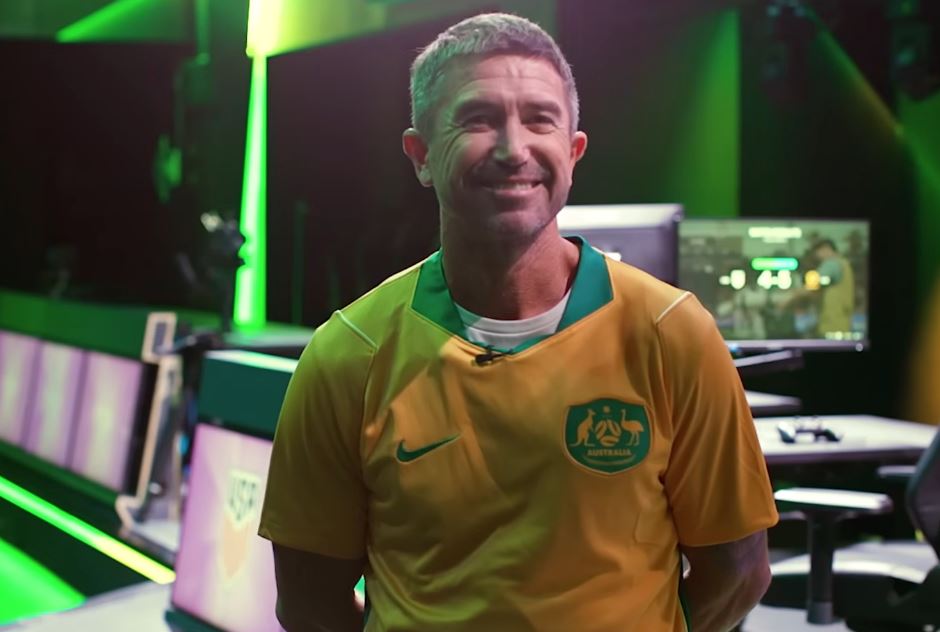
According to the BRW Young Rich List, his estimated wealth reached $55 million AUD by 2011. He and basketball player Andrew Bogut were listed as Australia’s richest athletes under forty in a 2013 SBS report, with an estimated combined net worth of $50 million AUD. These numbers have mostly held true in later estimates, indicating that whatever wealth he amassed while playing was carefully maintained and managed during his coaching career.
The financial impact of coaching has not been as great as that of playing. Coaching positions at Crawley Town, Notts County, Oldham Athletic, Barnet, Yokohama F. Marinos, and now Hanoi FC are important for career advancement and legacy rather than making money. That’s probably okay. The contracts surrounding it were skillfully negotiated, and the money was made when the talent was at its best.
Perhaps the most intriguing aspect of Kewell’s financial tale is how resilient it has been in spite of a playing career that was so frequently cut short. The criticism, which included being jeered off the field in Istanbul, was frequently unjust, the injuries were real, and the frustration was evident. However, his hamstrings were never as strong as the underlying financial architecture he constructed during those years.
