



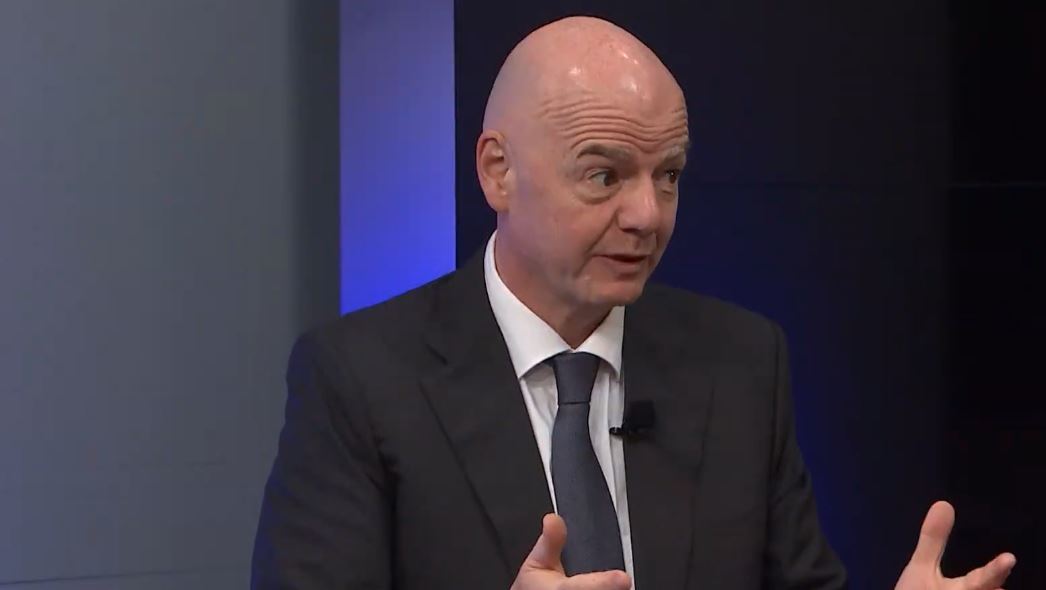
FIFA’s annual compensation figures are released in a way that is almost purposefully quiet. The figures are hidden away in annual accounts and governance reports. However, when fans and journalists bring them to light, the response is usually the same: a mixture of astonishment, inquisitiveness, and predictable outrage from online communities that are never short of opinions.
This is what the numbers truly indicate. Gianni Infantino received a base salary of 2.6 million Swiss francs, or about $3.3 million, in addition to a variable bonus of 2.2 million Swiss francs and a small flat-rate allowance of 24,000 Swiss francs, according to FIFA’s most recent disclosures covering 2025. Before taxes, the total package is roughly $6 million. Notably, compared to the preceding two years, when Infantino was receiving 1.65 million francs in variable pay each year, that bonus represented a 33 percent increase.
The bonus hike’s timing is important. FIFA held its first extended, month-long Club World Cup in the United States in 2025. The event, which was largely funded by Saudi Arabian funds, increased FIFA’s revenue estimates by about $2 billion. The link between FIFA’s commercial windfall and its president’s increasing salary is not particularly subtle, regardless of whether one considers the bonus to be earned or merely convenient.
The context is what makes Infantino’s compensation truly intriguing. In isolation, six million dollars sounds fantastic. When compared to FIFA’s current revenue, which the organization anticipates reporting approximately $13 billion for its current four-year cycle, it begins to appear almost modest. In contrast, Mauricio Pochettino, who coaches the US men’s national team, makes about the same salary. Some elite Premier League managers earn twice or three times that amount. “If coaches are earning ten million annually, this is low for the FIFA president,” an online commenter stated bluntly. Even though it’s not the natural response that most people have, it’s a valid point.
According to available financial assessments, Infantino’s net worth is estimated to be around $20 million. This amount may seem substantial when compared to the athletes whose careers he manages. Lionel Messi and Cristiano Ronaldo are both valued at about fifty times that sum. The disparity is somewhat shocking to the man who essentially controls the competitions where those players established their legacies.
It wasn’t exactly inevitable for him to reach this position. Born to Italian immigrants in Brig, Switzerland, Infantino attended the University of Fribourg to study law before joining UEFA in 2000. He served as the organization’s quiet legal advisor for many years before Michel Platini appointed him Secretary General.
He was most well-known, if at all, for conducting Champions League group stage draws on television during a large portion of that period. In one version of history, Infantino stays comfortably in the background while Platini wins the FIFA presidency in 2016. That was altered by Platini’s role in the corruption scandals involving his predecessor, Sepp Blatter. After stepping up and winning the election, Infantino took over an organization that reportedly had a $550 million deficit and was losing sponsors.
Ten years later, the financial situation has drastically changed. FIFA anticipates $15 billion in revenue for its 2023–2026 cycle, which is almost twice as much as it made during the preceding four years. The 2026 World Cup, which will take place in the United States, Canada, and Mexico, has been hailed as one of the most lucrative competitions in the event’s history, despite criticism for its exorbitant ticket prices, which initially even drew the attention of Donald Trump and four US state governments. As usual, Infantino advised critics to “chill.”
Given his ties to both Florida and Switzerland, it’s still unclear if his total compensation picture includes extra payments for housing or other costs. FIFA hasn’t disclosed those specifics. As part of its transparency pledges made on the day Infantino was elected in 2016, it has released enough information to elicit a response, which it consistently does each year.
The salary issue might be mostly academic given that reelection for a fourth term is anticipated in March 2027 and that more than 200 member associations have already expressed support. FIFA’s finances have never been better, the man in charge of world football makes about $16,700 a day, and the organization’s next four-year budget target is $14 billion. Depending on who you ask and how much you paid for your World Cup ticket, Infantino may or may not be worth every franc.
