



Seeing a fortune the size of a small nation’s GDP decrease by $125 billion in less than two months is almost disorienting. That is about what has happened to Larry Ellison since the beginning of June, and the speed at which it is happening still causes concern. Not because Ellison is suddenly impoverished—at $175 billion or so, depending on the day, he is still among the richest people alive—but rather because of what the collapse says about Oracle, about AI spending aspirations, and about how quickly investor confidence can erode.
Ellison’s net worth surpassed $300 billion on June 1st, when it peaked. He was right behind Elon Musk as the second richest person in the world. That lasted roughly as long as a cycle of positive news. That day, Oracle’s stock, which had been rising due to optimism about AI, reached an intraday high of about $250. Shares have dropped by almost 50% since then. The math is harsh for someone who owns about 40% of Oracle’s equity.
The decline in Larry Ellison’s wealth is more than just a tale of paper losses. It tells the tale of a business attempting to outspend its way into a future that may belong to someone else. Oracle declared that it would invest about $70 billion in AI infrastructure in its current fiscal year alone; this amount has since been suggested to be as much as $25 billion more. It is difficult to overlook the ambition. The balance sheet is the issue. Oracle makes about $19 billion in revenue each quarter. In contrast, Microsoft’s quarterly revenue is close to $83 billion, with a net income exceeding $31 billion. Because of this disparity, Oracle’s spending plans appear less like a daring strategy and more like a business that is going above and beyond its typical weight class.
Last month, S&P Global downgraded Oracle’s credit rating, pointing out that although the push for AI infrastructure may eventually pay off, it could jeopardize the company’s financial standing in the interim. Melius Research analysts have questioned whether Oracle’s spending pledges will hold up if big AI clients like Anthropic or OpenAI decide to look elsewhere for additional processing power. How those relationships turn out is still up in the air.
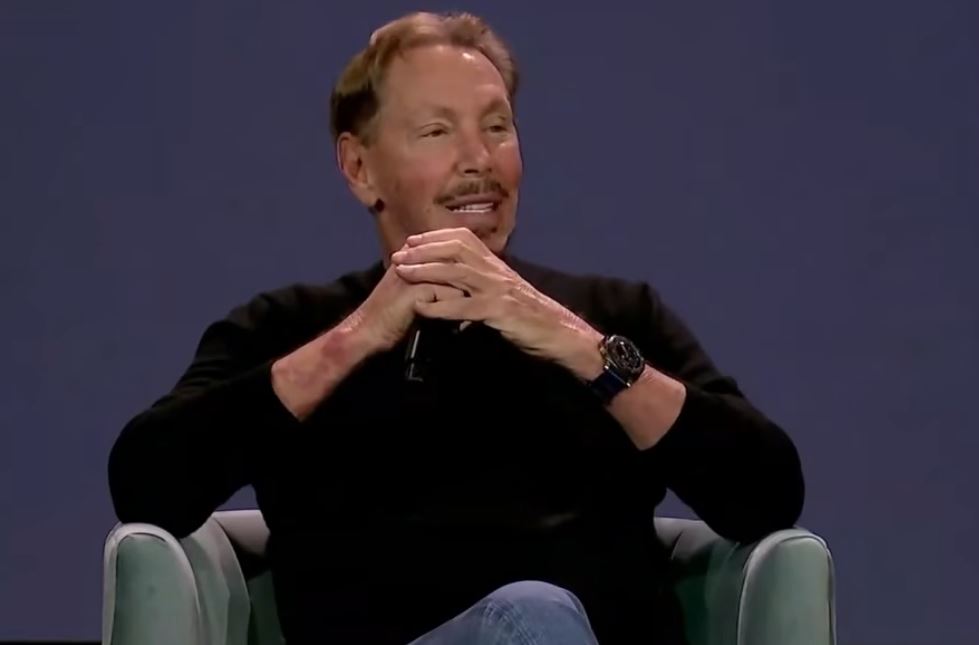
Ellison’s current position in the billionaire rankings is more difficult to ignore. He barely managed to get past Jensen Huang of Nvidia before falling behind him. As Meta’s stock remained stable, Mark Zuckerberg has also surpassed him. Ellison’s brief appearance as the world’s second richest person during what started out as a triumphant spring has subtly turned into a tale of overreach and investor skepticism. Although the rankings change practically every day, the trend has remained constant.
It’s worth taking a quick step back. At one point, Oracle was easily ranked in the top 20 most valuable businesses worldwide. It is currently ranked below Costco, at about 36th. It’s a big slide. Despite the company’s significant expenditures, including $55.7 billion in AI data centers during the most recent fiscal year, the guidance for fiscal year 2027 was disappointing when quarterly earnings were released in early June. Instead of increasing its revenue targets, Oracle reaffirmed them at about $90 billion, which one analyst said was disappointing considering the amount of money being invested.
Observing all of this, it seems as though Oracle is placing a significant wager on a future in which it might not be in a position to win outright. It’s not a bad company because of that. It continues to produce real earnings, real revenue, and real cloud business. However, the decline in Larry Ellison’s wealth indicates more than just a market downturn. It reflects sincere skepticism among credit analysts and serious investors regarding whether Oracle’s AI aspirations will yield the kind of returns required to warrant the risk. The only question that matters at this point is whether or not that skepticism turns out to be accurate.
