



A moment when someone pushes a flatbed cart through a warehouse store, tosses in a carton of eggs and a seven-pound bag of frozen chicken, and then reaches for a one-ounce bar of gold is subtly telling. Not exactly in a panic. More akin to instinct.
For the past few years, that has been occurring at Costco stores all over the country, and it is not going to stop. It sounded almost ridiculous when the company’s CFO, Richard Galanti, said during an earnings call that gold bars were hitting the site and selling out within hours—limited to two per member. It wasn’t. According to reports, Costco has been shipping about $200 million worth of gold bars every month—a sum that would cause the majority of committed precious metals dealers to hesitate.
The 24-karat, one-ounce bars are made by the Rand Refinery in South Africa and PAMP, a Swiss refiner. They are priced with a small markup over spot, usually between 4 and 5 percent, which is competitive by retail standards. The math may even slightly favor members who have no state sales tax and Costco credit card rewards. After delivery, a customer in Portland, Oregon, claimed to have walked the bar across the street to a coin shop and pocketed about fifty dollars in profit after deducting rewards. That is not a plan for retirement. However, it does highlight how easily accessible everything is now.
Most people envision an older, extremely skeptical of institutions gold buyer who is hoarding coins in a fireproof safe in a rural part of the United States. That individual is still alive. The Costco customer, however, has a different appearance. They tend to be younger, more urban, and less certain that the financial system is about to implode. However, they are also not totally certain that it isn’t. It’s a small but significant difference.
When economist Judy Shelton referred to gold as “a surrogate for the real economy”—a symbol of a desire for money that people can genuinely trust—she put it simply. That longing makes some sense after witnessing inflation reach nine percent and the dollar lose about a fifth of its purchasing power in a few years.
As of late 2024, gold had increased by more than 31 percent year to date, reaching about $2,750 per ounce, while silver had increased even more dramatically. All of that did not occur in a vacuum. A general weariness with financial volatility, sticky inflation, and geopolitical uncertainty have all pushed regular investors toward assets that feel, well, solid. No app or brokerage statement can quite match the feeling of holding a small, dense rectangle of metal. Experts freely admit this. Even though it isn’t strictly rational from the perspective of portfolio efficiency, State Street’s chief gold strategist George Milling-Stanley has described the emotional satisfaction of physically handling gold as something real.
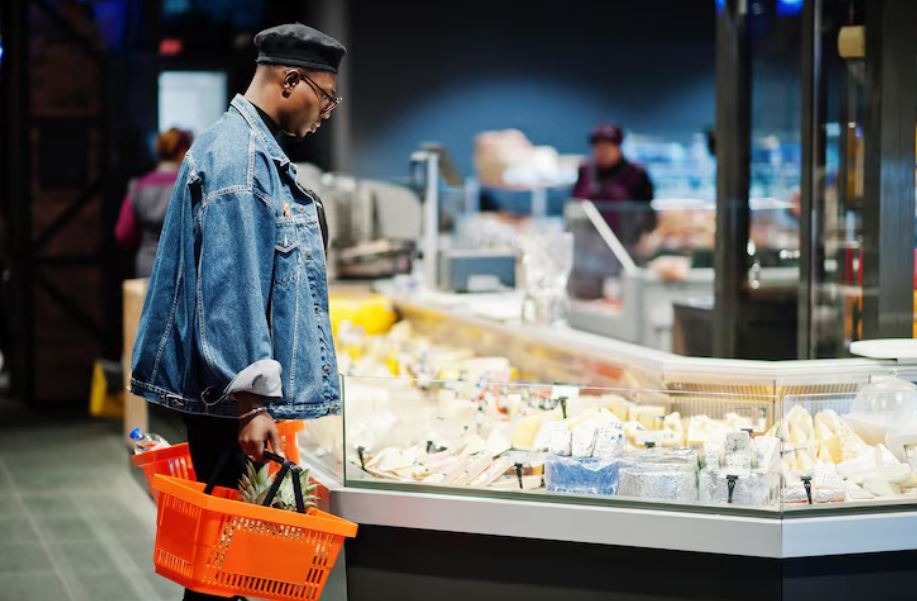
However, purchasing gold at a warehouse club is not without its challenges. Due to the buy-sell spread, which involves paying a premium to purchase gold and frequently receiving a discount when selling, gold must significantly increase in value before a retail buyer can truly profit. Gold price-tracking ETFs completely eliminate this friction. Additionally, buyers may lose seven or eight percent before the market moves at all in states that impose a sales tax on precious metals. These are serious disclaimers.
However, it’s plausible that the Costco gold rush is more of an economic statement than a straightforward investment rationality. Purchasing a physical bar of gold conveys the buyer’s beliefs, fears, and hopes; it is not a fund, digital token, or written promise. It’s the equivalent of stocking the pantry in terms of money. It could be excessive. It could be wise. It appears that the majority of purchasers are unsure of which one it is.
It’s evident that Costco accomplished something few had anticipated: it normalized the purchase of gold. It’s a sensible addition to the cart between the olive oil and the rotisserie chicken, but it’s not the purview of the ultra-wealthy or the survivalist fringe. To be honest, it’s a little difficult to determine whether that normalization is an indication of astute retail innovation or a subliminal message about the state of the country. Most likely both.
