



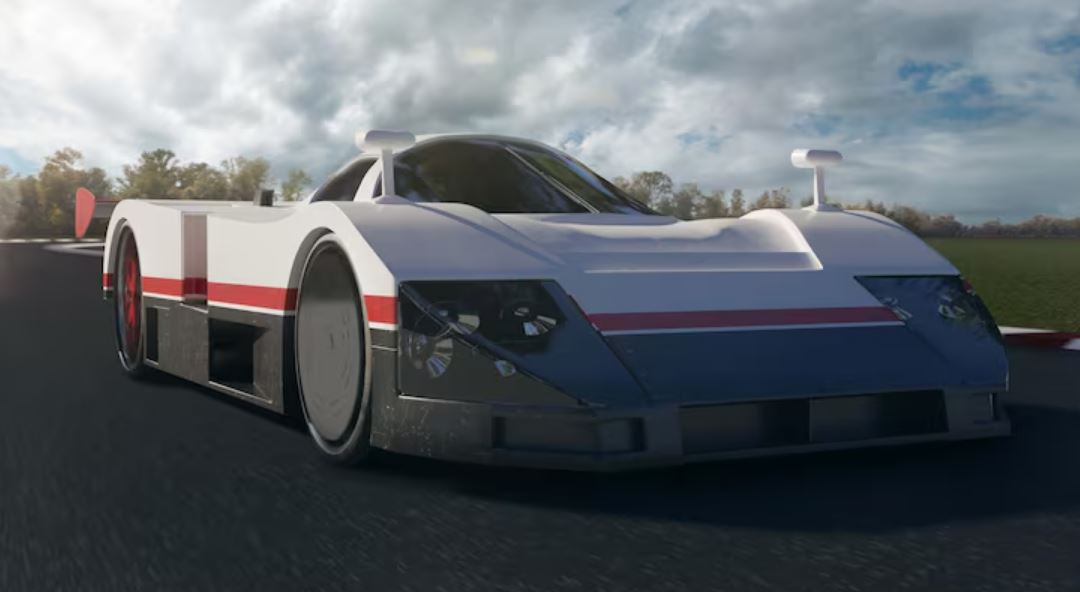
Eight immaculate Ferraris were parked outside the New York Stock Exchange in downtown Manhattan on a chilly October morning in 2015. Obviously, it was theater. However, it was successful. The crowd assembled. The cameras continued to roll. Additionally, for the first time in its nearly 70-year existence, Ferrari opened its doors to public investors under the ticker symbol RACE.
It was valued at about $9 billion. By most accounts, the hype was totally uncontrollable.
After that, the stock fell 41% during the first four months. Analysts complained. A few investors pulled out. At the time, there was a very valid argument that Ferrari had been overpriced for a company that produced only about 7,000 cars annually and had no real plans to increase that number. A 33 price-to-earnings ratio is designed for expansion. Ferrari refuses to expand rapidly, almost on purpose.
The part that requires some explanation is what transpired next. The share price of Ferrari has increased by about 534% since that difficult IPO. Porsche, which went public with great fanfare in 2022, is down roughly 45% from its own IPO price. It’s not a subtle gap. It implies that the market eventually realized what it had been looking at all along and that something in Ferrari’s model was actually misinterpreted at launch.
If you want to call it that, the Ferrari blueprint’s central idea is nearly counterintuitive. The company produces about 14,000 vehicles annually. It doesn’t want to produce more. With revenues of about €8.2 billion in 2024, Ferrari reported a net profit of about €1.53 billion—margins that most automakers would find hard to believe. The gross profit per vehicle is approximately $170,000. These figures do not belong to a manufacturer, but rather to a luxury goods company. And that’s precisely the point, looking back.
Famously, Enzo Ferrari thought that there should always be a small gap between supply and demand. He was almost obsessively protective of scarcity. The company’s most enduring competitive advantage came from his intuition that the desire for a Ferrari must never be fully satiated.
According to reports, 80% of the order book is reserved before a car is manufactured. Production is covered well into 2027 in today’s order book. According to one version of this tale, Enzo Ferrari, a man who applied to Fiat in 1918 but was rejected, nearly unintentionally created the most margin-efficient automobile company in history. It might have happened that way.
A new layer has been added by the recent AI wealth boom. Rising demand from ultra-high-net-worth buyers who amassed substantial wealth through technology investments was partially attributed to Ferrari’s 2024 results. The limited-edition F80 supercar, which cost €3.6 million, significantly increased profits. Personalization options—the custom interior designs and color selections that customers pay high prices for—are starting to play a bigger role in generating income. Midway through 2026, Ferrari increased its full-year guidance, citing persistent personalization trends as a major contributing factor. The majority of automakers don’t say that.
It’s important to note that there is still some uncertainty. Unreasonably, Citi analysts questioned whether the F80-driven earnings beat was a structural phenomenon or something that would eventually run out. At launch, the Luce, Ferrari’s first electric car, received mixed reviews for its design. According to reports, Ferrari met its yearly sales target of less than 500 units within months of opening the order books, partly due to Chinese buyers. CEO Benedetto Vigna stated that the company was happy with the demand. The question of whether the EV shift significantly alters the brand’s luxury character remains unanswered.
Even though the Ferrari IPO had a rough beginning, it is evident that the market as a whole has been gradually pricing in the idea that scarcity is a strategy rather than a constraint for the past ten years. No advertising budget can match the cultural significance of the prancing horse logo.
Additionally, a company may have discovered the most resilient formula in the automotive industry if it produces fewer cars, charges more for each one, and maintains a waiting list longer than its production run. It remains to be seen if that formula holds up in the face of electrification and changing patterns of wealth. However, the strategy itself—charge more, sell less, and preserve the mystique—has already gained recognition in the annals of business.
