



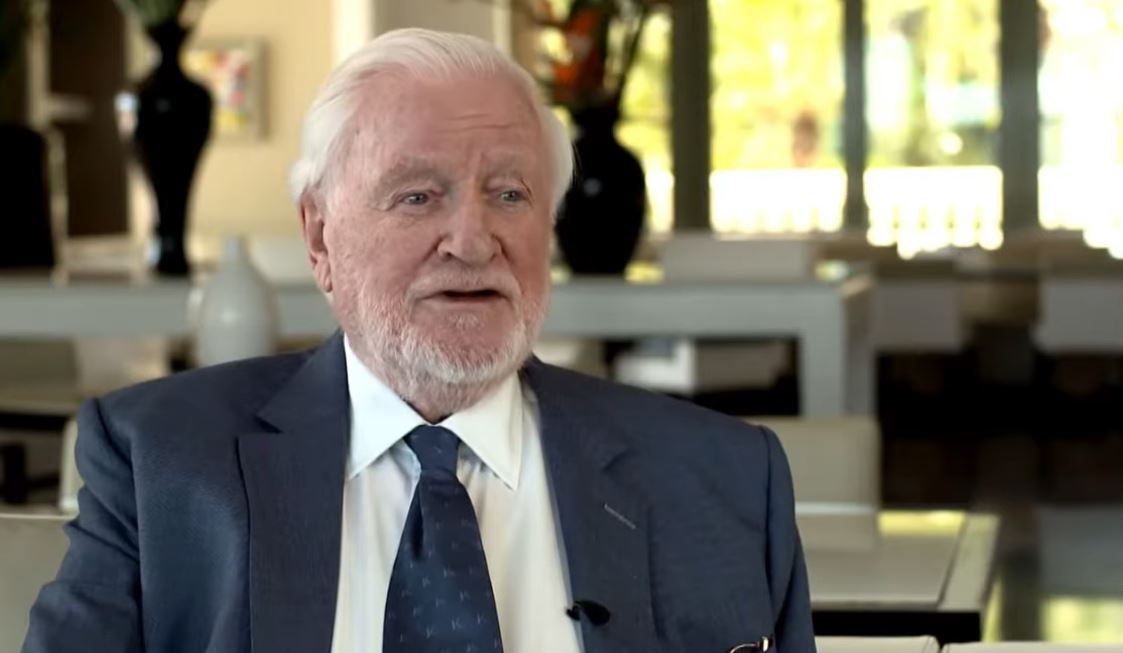
Ken Bates nearly perfectly embodied a certain type of British archetype: the blunt, self-made man who never worried about making enemies and trusted instinct over spreadsheets. Tributes flooded in after he passed away quietly in Monaco on July 11, 2026, at the age of 94. However, the questions also did. What was the true value of Ken Bates?
The truth lies in the middle of legend and reality. His personal net worth was estimated to be between £30 million and £50 million, or roughly $40 million to $65 million, at the time of his death. That amount might surprise those anticipating a billionaire’s balance sheet for a man who managed one of England’s most famous football teams for more than 20 years. However, Bates was never that kind of person. In the purest, most nuanced sense of the word, he was a self-made man.
He didn’t have much as a child. He was raised by grandparents in a council flat after his father vanished and his mother passed away soon after he was born in Richmond, Surrey, in December 1931. His toughness, refusal to be submissive, and almost obsessive need to fight back when cornered were all shaped by that upbringing and were evident throughout his career. After earning his first significant income from haulage, he went on to work in quarrying, ready-mix concrete, and finally dairy farming. It wasn’t glamorous. It was a graft.
He had amassed enough personal wealth by the time he entered Stamford Bridge in 1982 and bought Chelsea Football Club for £1—not a typo, one pound—to take a significant risk on a team that was deeply in debt. At that time, Chelsea had little more than a reputation as a hooligan and liabilities of about £1.5 million. The majority of prudent investors would have continued to walk. Bates signed the documents.
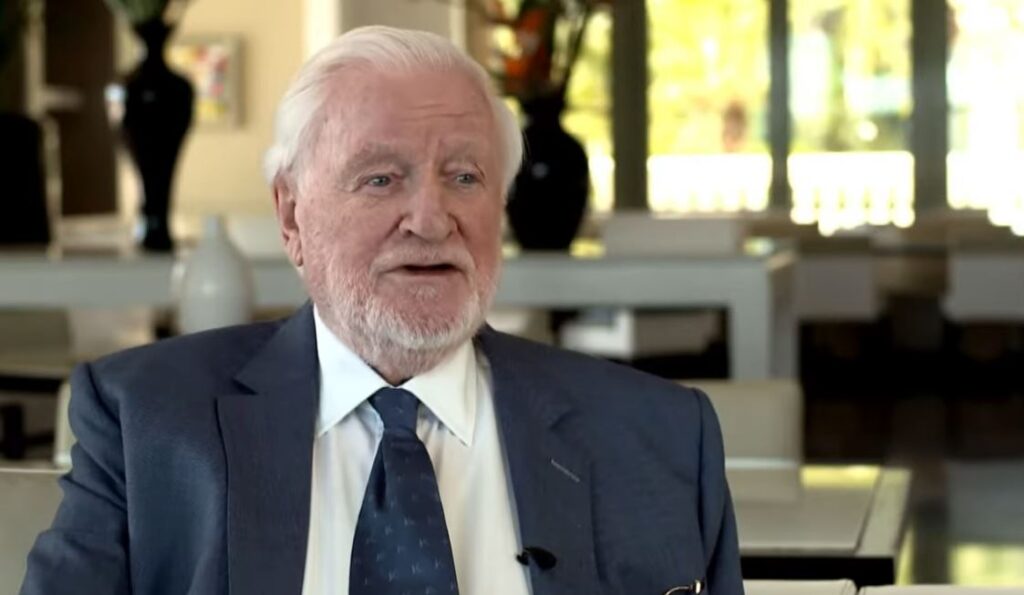
The next twenty-one years changed English football in ways that aren’t always acknowledged. By thwarting real estate developers’ attempts to construct on the site, he ensured the future of Stamford Bridge. He oversaw the stadium’s conversion into a contemporary, all-seater arena that can accommodate more than 42,000 people. During the lean years, he signed players like Pat Nevin and Kerry Dixon. Later, as Chelsea’s aspirations increased, he assisted in luring Ruud Gullit, Gianfranco Zola, and Marcel Desailly. The team had won the European Cup Winners’ Cup, the League Cup, and the FA Cup twice by the time he left.
Bates sold Chelsea for £140 million when Roman Abramovich arrived in 2003 with his oil money and his desire for a trophy project. He received between £17 and £18 million as his personal cut from that transaction. A significant return on what had been a genuinely risky, decades-long investment, but not a windfall that would change people’s lives by today’s Premier League standards.
He wasn’t finished. Bates purchased a 50% share in Leeds United in January 2005. The team had abruptly fallen from Champions League contention to administration. He described it as “one last challenge,” which, looking back, sounds like something a man would say just before carrying a briefcase into a burning building. Bates spent years navigating the wreckage after Leeds was demoted to League One and went into full administration in 2007. He reportedly sold his holdings to GFH Capital in November 2012 for about £52 million.
The intriguing—and possibly telling—thing is that, despite overseeing transfers totaling hundreds of millions of dollars during his career, Bates never amassed the kind of enormous wealth that contemporary football executives do. He put a lot of effort into keeping his clubs solvent rather than making money because they were heavily indebted. It seems as though he never really cared about the money. What seemed to matter more were the power, the struggle, and the unwavering will to prevail in debates.
In his last years as a tax exile in Monaco, he continued to conduct interviews, remain astute, and be willing to say uncomfortable things. The modest fortune he left behind, by today’s football standards, tells a tale that statistics cannot fully convey. Ken Bates spent forty years transforming a football club that he had purchased for a pound. That’s probably how he would want to be remembered more than any balance sheet.
