



You can’t help but notice the contradictions when you stroll along Dublin’s North Wall Quay on any weekday morning. On one side of the River Liffey rises the shiny Salesforce campus. Google’s European operations are spread across several structures close to the Grand Canal Dock. The area feels genuinely prosperous in a way that only some tech-heavy urban corridors can; this is the kind of prosperity that is described in international business press as a small country outperforming its peers.
Then someone brings up rent, which in Dublin averages €2,300 per month. a national average of €2,102. Since 2015, real estate prices have increased by 91%. At the beginning of 2025, there were a record 14,500 homeless people. It is nearly overwhelming to see the difference between the skyline and the real-life experiences of those who work beneath it.
By all standards, Ireland’s corporate tax situation is remarkable. A small number of multinational corporations account for half of all corporation tax revenue. In 2021, foreign companies accounted for one-third of all wages paid in the state. The money came in waves, with companies like Apple, Google, Meta, and Pfizer building or growing, paying taxes at Ireland’s renownedly competitive rate, and creating jobs that had an impact on the overall economy. It was successful. Maybe too well.
What wasn’t constructed during this boom is the issue. Ireland’s homebuilding capacity was never fully restored after the 2008 banking crisis devastated the building industry. The number of workers decreased. Supply chains became thinner. Planning systems continued to be entangled in bureaucratic complexity that would try a saint’s patience. The basic infrastructure required to house the workers arriving to fill all those shiny offices simply did not materialize at the necessary pace, even as corporate tax receipts grew and government spending increased to meet them.
Beyond mere talking points, the numbers are striking. To meet demand, the Central Bank estimates that Ireland needs about 52,000 new homes annually. According to current ESRI estimates, the nation will produce about 37,000 by 2026. This disparity—15,000 homes annually, compounding—represents a structural failure rather than merely an affordability crisis. Due to competition among contractors for a limited number of skilled workers, construction wages are increasing at a rate of 10% per year. The same workforce is being asked to complete large infrastructure projects, renovate existing properties, and construct new homes all at the same time. The system has no slack. No cavalry is on its way.
This is especially unsettling because, in theory, the money was there. According to the Irish Fiscal Advisory Council’s own analysis, the windfall from multinational taxes ought to have been saved and used for long-term investments, such as infrastructure, housing delivery, or patient capital expenditures that take years to pay off. Instead, Ireland has been spending the bonanza on current expenditures, filling gaps rather than laying the groundwork, as economist David McWilliams has noted with characteristic bluntness. According to that interpretation, the housing crisis is partially the result of political decisions made during prosperous times.
In ways that are difficult to ignore, employers have begun to take notice. After looking into Dublin’s housing market, between 25% and 33% of foreign recruits who had accepted jobs with Grant Thornton Ireland later withdrew. For the purpose of housing new cabin crew, Ryanair purchased forty homes close to Dublin Airport. Nowadays, businesses compete not only on pay packages but also on the ability to house newly hired employees. That is not a typical aspect of a healthy economy.
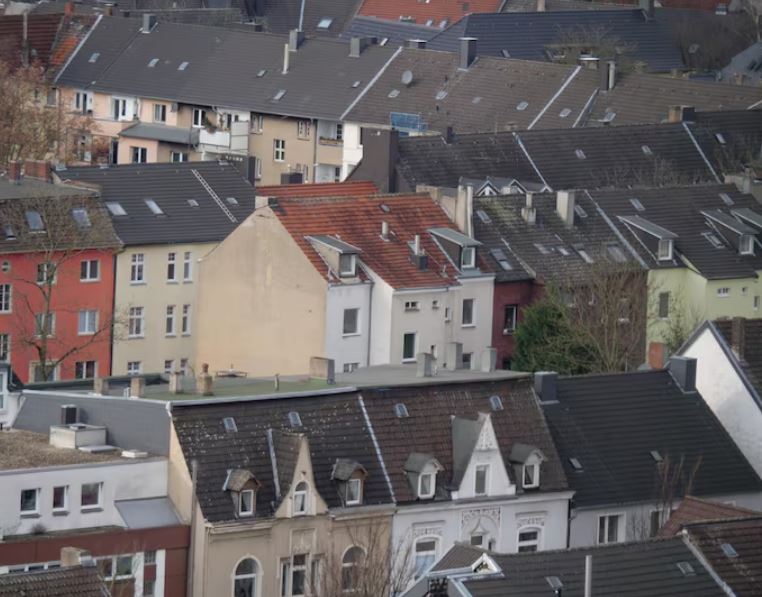
Ireland’s inward investment agency, IDA, has been cautious in its public statements, implying that housing has “dampened growth” among current businesses without yet costing Ireland significant new investment choices. Technically speaking, that might be true, but there’s a feeling that this kind of framing is a little ahead of time. According to a Vantage survey, 43% of tech workers would think about moving abroad completely if housing prices continued to rise. According to a RE/MAX Europe survey, one in three Irish people are considering leaving the country. The term “dampened growth” eventually loses its ability to adequately characterize the real situation.
If anything, the Department of Finance’s own forecasts are more sobering than comforting. It is anticipated that the housing crisis will continue for at least another fifteen years. It won’t reach its peak until the early 2030s. The backlog won’t be completely cleared until about 2040, assuming that construction output increases to 60,000 units per year, which would necessitate hiring an additional 50,000 people for the residential construction industry. It is feasible. It’s also a big assumption.
Over the course of thirty years, Ireland created something truly remarkable: a small, open economy that became essential to the largest pharmaceutical and technology corporations in the world. Both the prosperity they created and the corporate tax revenues that resulted from that accomplishment were genuine. The question that now looms over the entire endeavor is whether the nation made good use of that opportunity to maintain what it built, or if the Dublin Squeeze proves to be the cost of becoming wealthy without creating a city that could support the wealth.
