



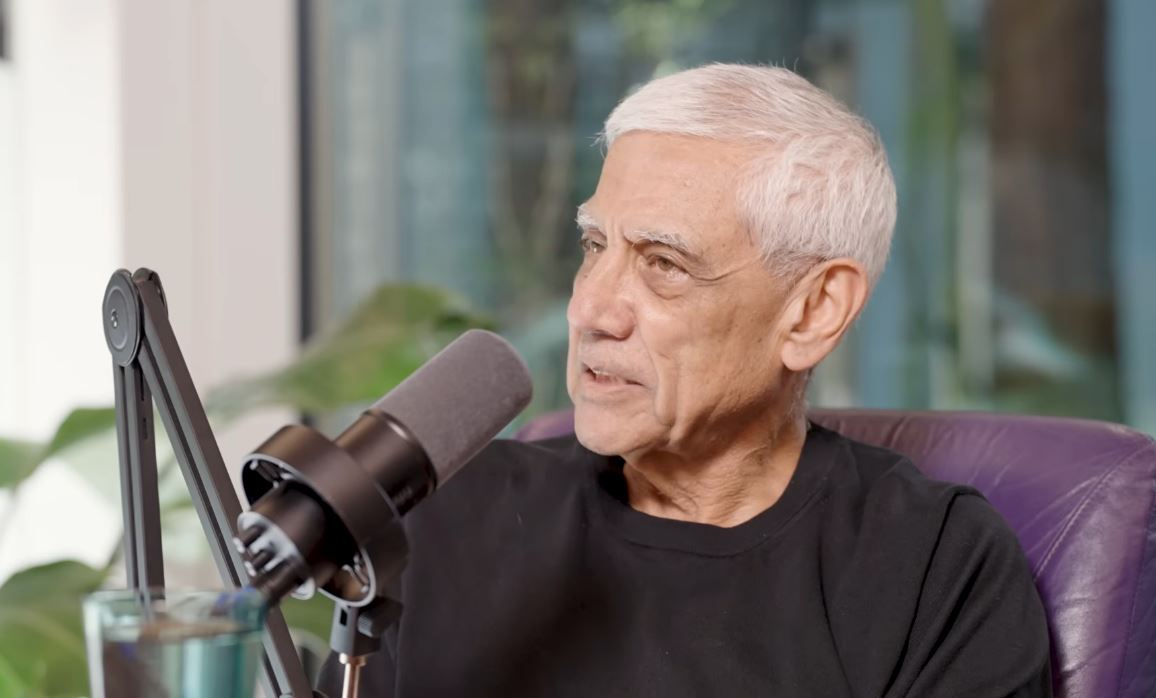
Vinod Khosla has frequently recounted the tale of a teenage boy in New Delhi who, after reading an article in a magazine about Intel’s founding, quietly but resolutely decided that he would one day create something similar. An army officer was his father. There was no roadmap, no Silicon Valley cousin, and no family ties to business. One article and an unyielding notion.
It turns out that this obstinacy has been worth about $14 billion. Depending on the source and the day you check, Khosla’s net worth as of mid-2026 ranges from $12.7 billion to $15.6 billion. As of late July 2026, Forbes estimated its real-time value at about $12.7 billion; other estimates, such as Celebrity Net Worth, put it closer to $14 billion.
The range is instructive in and of itself. His early and substantial investment in OpenAI, which closed a record-breaking $122 billion funding round and was valued at over $850 billion as of early 2026, accounts for a sizable portion of his wealth. Such numbers are dynamic.
The trajectory is more difficult to contest. His net worth increased from about $9 billion to over $12.7 billion in just a single year, according to a LinkedIn analysis published earlier this year. Index funds don’t produce gains like that.
In 1982, Khosla, Scott McNealy, Bill Joy, and Andy Bechtolsheim co-founded Sun Microsystems. As the company’s first CEO, he made it profitable in its first year of operation, a feat that is still more uncommon than the industry would like to acknowledge. He eventually left Sun to work in venture capital, becoming a general partner at Kleiner Perkins in 1986 before starting his own company, Khosla Ventures, in 2004. DoorDash, Instacart, Stripe, Impossible Foods, Square, and other businesses have been supported by this firm, which currently oversees over $15 billion in assets. Perhaps the most significant wager in its portfolio is still OpenAI.
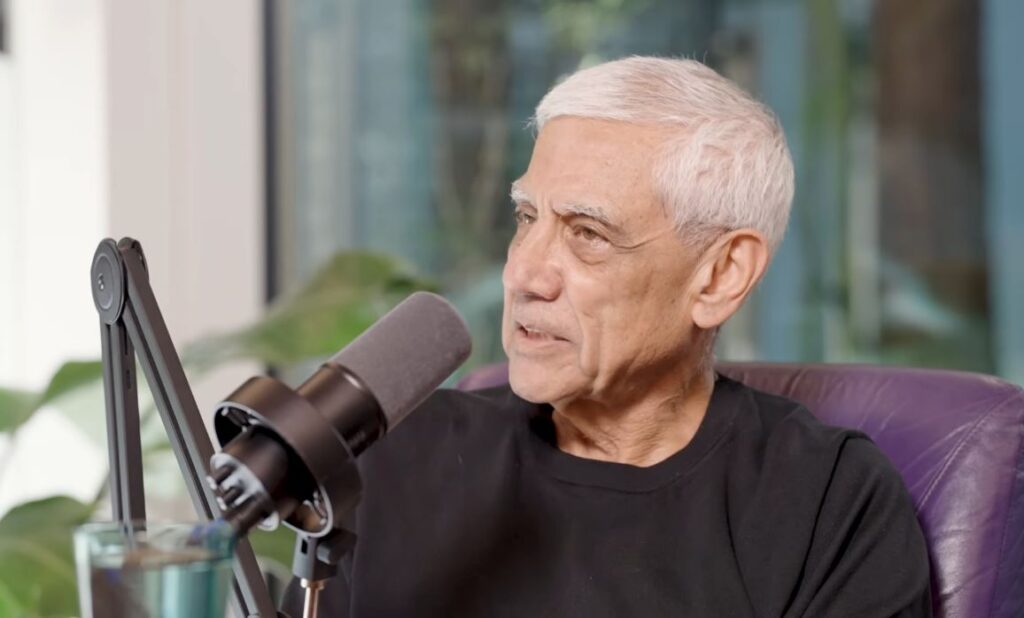
Going big and early are hallmarks of Khosla Ventures. It was OpenAI’s first venture capital investor. It has supported businesses in fields like robotics, biomedicine, clean energy, and artificial intelligence that were once thought of as side projects but are now vying for talent and funding. Khosla routinely ranks close to the top of Forbes’ Midas List, though the venture community disagrees about whether that track record represents true foresight or survivorship bias. He was ranked #1 in 2026.
Some observers were taken aback by his wealth’s expansion into professional sports. He and his son Neal purchased a minority share in the San Francisco 49ers in 2025. A year later, a group headed by the two decided to buy the Seattle Seahawks for an estimated $9.6 billion, making it the most costly franchise sale in NFL history. The Khoslas must sell their 49ers stake in order to finalize the deal, which is still pending league approval. It’s a big commitment, and it says something about this man: he doesn’t think small.
Although they are more difficult to include in a wealth narrative, there are other aspects of his public life that are noteworthy. One of California’s most acrimonious property rights disputes was the long-running conflict over Martin’s Beach near Half Moon Bay, where Khosla bought coastal property in 2008 and essentially blocked public access to the shore. Before the case was rejected, he battled it all the way to the Supreme Court. Public access was reinstated in 2019 under terms that were comparable to those in place prior to his purchase of the land. For someone who otherwise portrays himself as a technological force for social good, it is still a challenging chapter.
His social media posts, which discuss fusion energy, AI regulation, quantum computing, and urban transportation, reveal a man who is genuinely interested in ideas. Whether or not one shares his opinions, it is evident that money is not, or at least is not, Khosla’s main motivation. He once stated quite bluntly that “good isn’t good enough; great is barely acceptable.” It sounds like something written by a public relations consultant. It reads more like a working principle coming from someone who has actually built what he has built.
Vinod Khosla’s net worth is more specific than accumulated capital, regardless of the precise amount that is determined by the end of the year. It embodies the idea that the greatest risks, when taken early and by the right people, ultimately lead to the right solutions. He has made mistakes in the past. However, the successes in venture capital don’t have to be frequent. All they have to do is be big enough.
