



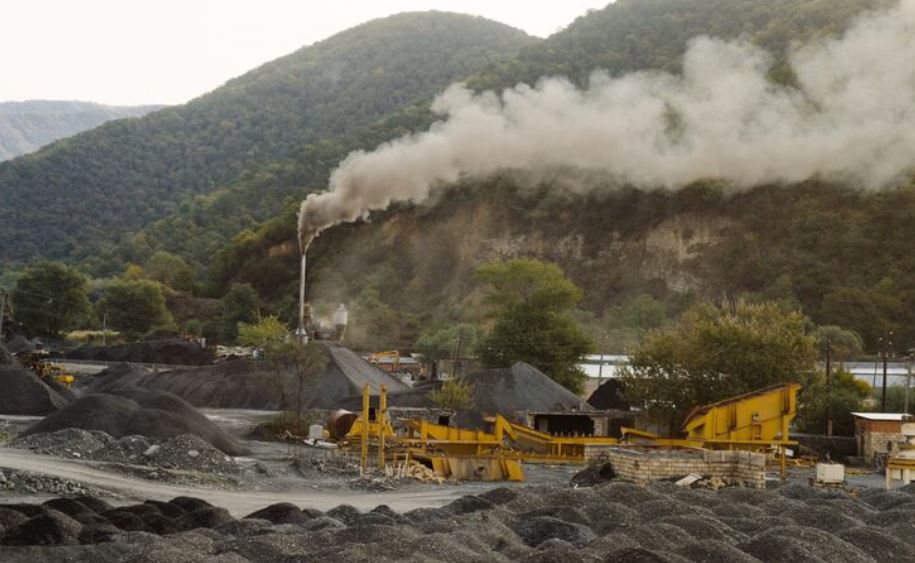
When iron ore prices begin to decline, a certain type of anxiety descends upon Perth boardrooms. It’s not very loud. Delays in making investment decisions, cautious language during earnings calls, and the way mining executives abruptly start discussing “diversification” after years of hardly using the term are all examples of it. That anxiety has reappeared, and this time it feels more like a structural shift that no one fully understands how to deal with than a fleeting dip.
The arrangement was easy enough to explain to a teenager for twenty years. China constructs. Steel is needed in China. Iron ore is necessary for steel. Iron ore is abundant in Australia and is located near the surface in the Pilbara, where it is inexpensive to extract and transport north. Approximately 85% of Australia’s iron ore exports went to China at the height of the relationship, and the trade allowed Australia to weather the Global Financial Crisis relatively unscathed while much of the developed world suffered.
Until the buyer decides otherwise or simply runs out of demand, that kind of reliance functions flawlessly. For the past 20 years, China’s real estate industry, which was a major contributor to the world’s steel production, has been stagnating. In rural cities, apartment buildings that used to rise in clusters are now partially completed. In ways that resemble a ceiling rather than a cycle, construction activity has slowed. It is difficult to find anyone in the industry who genuinely disputes the direction of travel, even if they disagree about the pace, as Wood Mackenzie has been predicting a steady decline in Chinese steel demand over the next ten years.
However, lower demand isn’t the only factor that has altered Sydney’s temperature. It’s because Beijing has increased its power. The state-backed purchasing organization China Mineral Resources Group was established in 2022 with the express purpose of strengthening the purchasing power of Chinese steelmakers and negotiating better terms with suppliers such as BHP, Rio Tinto, and Fortescue. The premier of Western Australia dismissed the reports that CMRG ordered mills to halt purchases from BHP during heated pricing negotiations as “strategic gamesmanship,” but it’s the kind of gamesmanship that usually leaves an impression.
Simandou is another. Thanks in part to Chinese investment, Guinea’s massive iron ore deposit is finally being shipped after years of delays caused by political unrest and infrastructure issues. It gives Beijing options it didn’t have before, but it won’t replace Australian supply anytime soon. According to some estimates, it will account for less than 10% of Australia’s export volume even by 2027. Additionally, options are worth more than they appear on paper in any negotiation.
It’s important to be clear about what this is and isn’t. The tariffs Beijing imposed on Australian wine, barley, and beef during the 2020 diplomatic freeze are not being repeated here. Beijing cannot just turn off iron ore because it is still too vital and integrated into China’s industrial machinery. What appears more likely is something slower and less dramatic: gradual erosion of the pricing power that Australian miners once took for granted, month-long pricing disputes, and small concessions.
When observing this from the outside, the quiet realization that the easy decades might be coming to an end stands out more than the possibility of an abrupt collapse. China’s continued demand for Australia’s goods was a major factor in the development of Australia’s economy. This assumption is currently being tested—not disproved, but tested. More important than Beijing’s next move will likely be whether Canberra views this as a wake-up call or just another setback in a long, fruitful partnership.
