



Depending on whose assets survive the ongoing divorce processes in a Tennessee court, Jelly Roll’s estimated net worth in 2026 ranges from $16 million to $20 million. That’s a number that would have been genuinely unthinkable to Jason DeFord at 23, when he was still cycling in and out of jail and handing out mixtapes alongside heroin deliveries in Nashville’s Antioch area. The money is real now. The circumstances around it are complicated.
The divorce from Bunnie XO, filed in May 2026, is the most major financial event in his immediate future. According to the stated terms of the settlement, Bunnie would receive the 500-acre Tennessee complex, which was bought for $5 million in 2024. Because of her own platform and commercial endeavors, Bunnie herself has an estimated net worth of $7 million, so this isn’t just one party taking everything. It’s two successful people separating everything they made together, and the legal accounting of what belongs to whom is still being handled.
The income picture beneath that number is cleaner than it might appear for an artist who crossed over from rap to country in his late thirties. Arena touring has been the key financial engine – Jelly Roll can headline enormous venues now, and the economics of a sold-out arena tour go well into eight figures when you include in ticket revenue, stuff sales on the night, and the negotiated guarantees from promoters. A new source of income was created by a judge position on Netflix’s Star Search. He owns the Broadway bar Goodnight Nashville, which continues to make money on one of the nation’s busiest tourist thoroughfares. For musicians with a fan base as devoted as his, merchandise has always been strong.
Even if the narrative that created that fan base is now widely known, it is still worthwhile to consider. At age 14, he began to be arrested. By his early thirties, the total was more than 40 arrests. He has been frank about his own drug use and the circumstances that shaped it — a mother who fought with addiction, a father who sold meat for a living, a household that didn’t have much and managed that reality with varied degrees of skill. Music was always there, even in the hardest years. At an Antioch studio, he recorded demos for thirty dollars an hour. Alongside what he was selling on the street, he passed mixtapes. He composed songs while incarcerated and performed them for anyone who would listen.
The moment that changed the path of his life came while he was detained. During lockdown, a security knocked on his cell door and informed him that he had a daughter. According to his own account, he realized right away that something needed to change. “I’ve never had nothing in life that urged me in the moment to know that I had to do something different,” he said to Billboard. Hundreds of songs were written while he was incarcerated as a result of that choice, and he finally built his music career on the destruction and reconstruction of his own life.
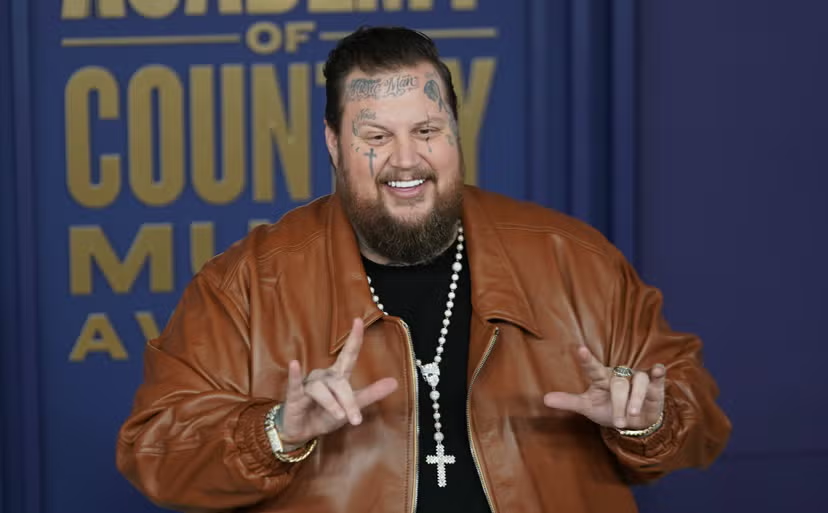
It makes sense that the 2023 CMA New Artist of the Year address went viral. He acknowledged in the speech that it is quite unlikely for a 39-year-old man to become the new creator of anything, which just made it more difficult. The 2026 Grammy for Best Contemporary Country Album, in a category that has never existed before, reinforced something about where he fits in the genre presently. Country music hadn’t seen anything quite like him before, and it appears to have decided it wants more.
