



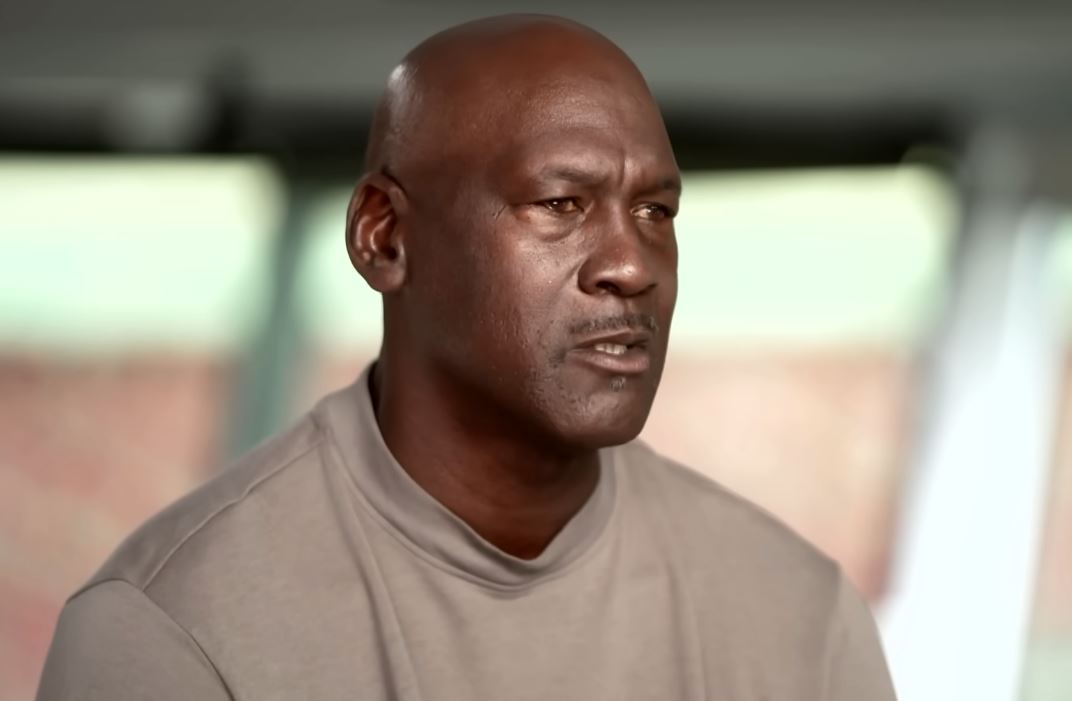
In one version of this tale, Michael Jordan fails as an NBA owner. For thirteen years, the Charlotte Hornets’ lackluster record, one postseason trip, and an excruciating 23-game losing streak were cited by detractors as proof that the greatest player in basketball history was unable to convert his competitive brilliance into front-office success. After Jordan sold his majority stake for about $3 billion in June 2023, the dispute essentially came to an end.
In 2010, Jordan paid $275 million to acquire the majority of what was then known as the Charlotte Bobcats. At the time, it felt historic in a symbolic sense that he was the first former NBA player to own the majority of a team. The fact that it was also historic in terms of money was something that no one really understood. One of the most lucrative individual sports ownership deals in American history, the sale price was almost twenty times his initial investment.
The buyer group is noteworthy. Rapper J. Cole and country music artist Eric Church, both from North Carolina, are part of the consortium, which is led by hedge fund founder Gabe Plotkin and private equity executive Rick Schnall, both of whom already held minority shares in NBA teams. There’s something almost fitting about this strange assortment of names. In the first place, Jordan was never a traditional owner.
The numbers are truly unbelievable, so it’s important to consider the Hornets deal in light of Jordan’s larger financial situation. Throughout his playing career, he made about $90 million. According to reports, his pre-tax earnings from Nike’s Air Jordan brand alone have surpassed $1.8 billion since he retired from basketball.
The Hornets sale has now added another level to a portfolio that has been quietly developed over many years. According to one analysis that was going around at the time of the deal, Jordan’s earnings from the Hornets exceeded his earnings from his four-decade partnership with Nike. The math doesn’t lie, even though typing that seems nearly impossible.
It would be inaccurate to claim that Jordan’s operational brilliance alone produced this result, as the NBA’s growing franchise values played a significant role. His investment was significantly increased by the league’s media deals, its international expansion, and the overall rise in sports asset prices. In 2022, the average NBA team was worth about $2.86 billion, a fifteen percent increase from the year before. Every boat was raised by that tide. However, Jordan demonstrated discipline by purchasing his boat early and holding onto it when others might have sold.
Beyond the numbers, the Michael Jordan Charlotte Hornets sale is significant because it illustrates how athletes view wealth. Throughout his career, Jordan engaged in long-term betting, equity stakes, and deal structuring in addition to earning money. He received royalties on each Air Jordan sold through his 1984 partnership with Nike, even though he really preferred Adidas. For generations, athletes’ expectations regarding sponsorship contracts were altered by that precedent. That reasoning was applied in a new setting by the Hornets ownership.
Jordan intends to keep a small portion of the team. For the time being at least, he will remain close to the organization. The allure of something he created and bled over in public for over ten years could be sentimental. Or it’s just another strategic stance. It’s really hard to tell the difference when it comes to Michael Jordan, and that may be the whole point.
