



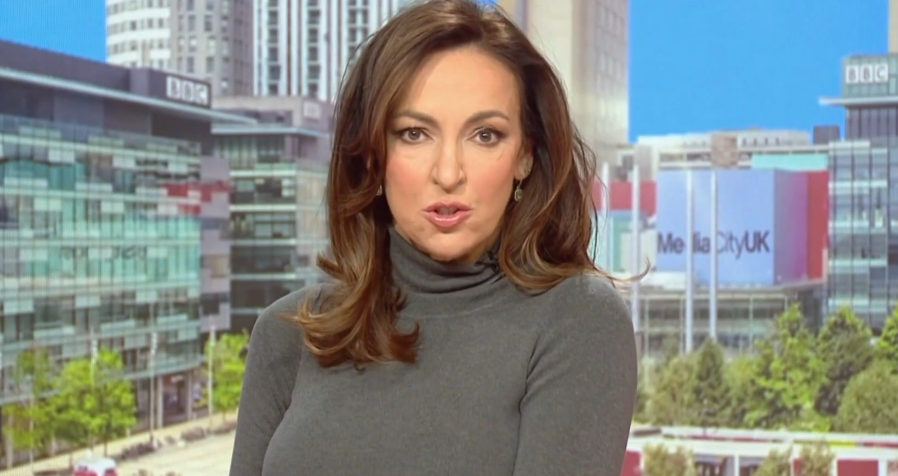
Every July, the BBC publishes exactly what it pays its biggest names, something that most broadcasters would prefer to avoid. Not a ballpark figure, not a carefully worded statement, but an actual salary band, right there in black and white. For viewers who watch BBC Breakfast every weekday morning over a cup of tea, that moment of transparency can feel genuinely surprising. And in the 2024-25 figures, Sally Nugent’s salary came in at £200,000 to £204,999 — a modest but meaningful rise from the £195,000 to £199,999 she earned the previous year.
It’s not a number that grabs headlines the way Gary Lineker’s does. Lineker, who topped the list for the eighth consecutive year despite departing in May, still earned between £1,350,000 and £1,354,999 — an almost surreal figure when placed next to the corporation’s constant conversations about value for licence fee payers. Sally Nugent resides in a completely different realm. Joint 50th on the list, alongside Match of the Day pundit Chris Sutton, she’s a long way from the summit. However, this does not make her position any less intriguing.
What’s quietly notable is the consistency of her trajectory. In 2021, Nugent became a more permanent member of the BBC Breakfast team, and since then, her pay has increased gradually. It’s the kind of development that rarely makes much noise but tells its own story—someone the company values enough to continue investing in without the fanfare that comes with radio breakfast hosts or sports commentators.
Watching BBC Breakfast during the course of a normal week gives the impression that Nugent has truly taken center stage in the show. On regular weekday mornings, she co-presents with Jon Kay, and the rhythm they’ve established has that special live television chemistry that appears effortless but is probably not. Although the BBC’s banding system makes accurate comparisons challenging, some viewers have noted that Kay’s salary for the same period is slightly higher in the published range.
If you look closely, the BBC’s pay transparency procedure—which was implemented in response to pressure over gender pay disparities almost ten years ago—does show some trends. The list only includes on-air talent making more than £178,000, so many employees—many of whom are women in important positions—just aren’t included. For example, Claudia Winkleman makes between £400,000 and £450,000, but she is paid by BBC Studios instead of the main company, so she is completely excluded from the official list. The annual report has always felt like an incomplete picture because of this structural oddity.
Being on the list at all means something genuine to Nugent. It places her among roughly 50 named presenters who meet the disclosure threshold — a smaller group than most people probably imagine. Her job, anchoring one of the most popular morning shows in Britain five days a week, requires a certain level of endurance and accuracy that is rarely mentioned in relation to the pay amount. Early starts, live news, constant coordination with producers and guests arriving in real time — it’s demanding work, even if it’s delivered from a comfortable sofa in front of a cheerful set in Salford.
Whether her salary will continue rising depends on factors that are hard to predict from the outside. BBC Breakfast remains a competitive slot, and the corporation is unlikely to let its lead morning show drift. It’s still unclear how internal pay negotiations evolve for presenters at her level — but the upward movement, even in small bands, suggests the BBC sees her as part of the programme’s future rather than a placeholder. That, quietly, might matter more than the number itself.
