



Corporate pay cuts are kind of like being in a play. When the company says one, the percentage makes the number sound big. Then someone does the math and figures out that the executive is still making more in one year than most people will make in their whole careers. That’s pretty much what’s going on with Singtel’s Group CEO Yuen Kuan Moon right now, and the way people are reacting, which is a mix of real anger and dry Singaporean humor, is telling in its own way.
The annual report for Singtel, which came out at the end of June, showed that Yuen was paid a total of S$6.8 million for the fiscal year that ended on March 31, 2026. It’s less than the S$8.2 million it was the year before—a drop of 16.9 percent, or just over S$1.4 million. The board directly pointed to two major failures: Optus’s network was down for a long time in Australia last September, and Singtel customers in Singapore had several outages in March. What happened with Optus was especially alarming. Some people couldn’t call Australia’s emergency line for 14 hours because of a system upgrade. A later investigation found that the trouble caused two deaths.
Cutting the CEO’s pay by about 17% is a clear way for the board to send a message. This is the kind of decision that shows those at the top aren’t completely safe from problems with operations. It was also felt by other senior executives; Singtel’s key management team’s total pay dropped 11.9% to S$25.9 million. There’s a reason for that structure. When important infrastructure breaks down and people die, the very least a serious board should think about is a symbolic measure of accountability.
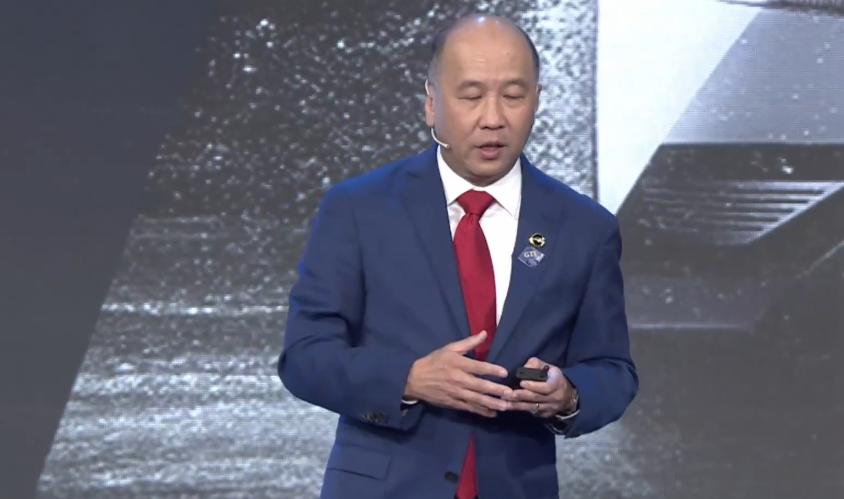
But people in Singapore have been more sarcastic than sympathetic in their talk. Within hours of the news, there were a lot of comments on social media. One person was sad that Yuen might not be able to afford his next yacht, and another suggested that he look into government rebate programs. We could easily write that off as cheap internet humor, but there’s a more honest urge behind it. There is such a big difference between a S$6.8 million salary and what most Singaporeans go through that many regular people find it hard to accept the cut as a sign of real accountability.
The financial background of this story makes it more difficult to understand. Most of the time, Singtel had a good year. The net profit went up 39.5% to S$5.6 billion, thanks in part to net exceptional gains of S$2.84 billion from the sale of Airtel shares. If you take out the one-time items, the underlying net profit went up a more modest but still strong 12 percent to S$2.8 billion. The company’s program to recycle assets has now brought in S$6.8 billion, bringing it closer to its medium-term goal of S$9 billion. The pay cut didn’t mean that the company was in trouble, then. The decision was made on purpose by the government at a time when the economy was doing well, which may be the best time to enforce such rules.
As this plays out, it seems like the systems that hold executives accountable in most big companies are still more symbolic than functional. In any case, the Optus triple-zero failure was very bad. It was 14 hours before emergency lines came back on. Some people died. Even though a 17% pay cut for the group CEO sounds painful, it doesn’t seem to fit with that amount of weight. It’s possible that’s too much to ask of a pay system that was never meant to replace legal or regulatory consequences. Even though it hurts, it’s worth it to sit there.
Singtel says it is still working to win back customers’ trust and make all of its operations more resilient. That’s the right thing to say. Over the next year or two, the actions that go along with those words will become more clear than any annual report paragraph could.
