



When you look at Misty Copeland’s financial story, it’s kind of amazing. Not because the numbers are crazy for a celebrity, but because of where they came from. Copeland slept on the floor of a two-room motel in Gardena, California, when she was a teenager while her mother worked two jobs and was married to two different people. At that point, it would have seemed almost impossible that she would now have six-figure brand deals with Under Armour and Estée Lauder, write several best-selling books, and become the face of American ballet.
Misty Copeland’s net worth is thought to be around $1.5 million right now, but some sources say it’s closer to $3 to $5 million when brand earnings, book royalties, and speaking fees are taken into account. Most likely, the truth lies somewhere in the middle. It’s really hard to guess how much money a dancer has. Base salaries at big ballet companies don’t show the whole picture, and Copeland’s money has always come from more than one source at the same time.
She was a principal dancer for American Ballet Theatre from 2015 until she retired in 2025, and it was said that she made between $100,000 and $150,000 a year. While that is good for classical ballet, it isn’t even close to good enough for professional sports or Hollywood. Ballet has never paid its artists like other entertainment industries do. Copeland has been very open about this. She made most of her money outside of the studio for a long time.
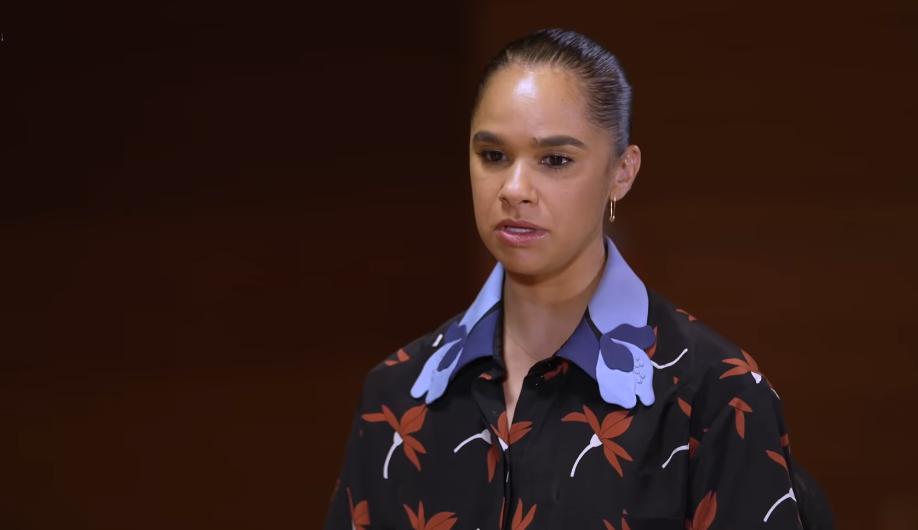
When her partnership with Under Armour began in about 2014, it may have been when more people paid attention to her. The campaign was striking: a strong and precise ballerina danced against a stark background while a voiceover listed all the reasons why she supposedly shouldn’t have made it. It was great advertising, and it made Copeland famous in places other than dance circles. When your brand is that well known, you get speaking gigs, media appearances, and follow-on deals. It’s impossible not to notice how that one campaign changed the course of her whole advertising career.
She’s also written two books. Life in Motion and Ballerina Body both got a lot of readers, which brought her royalties and made her a more well-known voice on fitness, race, and persistence. It seems like Copeland knew early on that to stay in this business for a long time, they had to build something more than just performance. A dancer’s body can only do so much. If you take care with a brand, it doesn’t.
The background of Copeland’s money story is what makes it interesting to look into, not just the amount of money. Professional standards say she started ballet way too late, when she was 13. She came from a real place of instability. This was a world that had not had many places for people who looked like her for most of its history. In 2015, I became the first African American woman to be promoted to principal dancer at ABT. This was not only a personal achievement, but also the credential that opened the door to book deals, speaking engagements, and magazine covers.
She left ABT in 2025, ending a career that had lasted more than 20 years. It’s still not clear what will happen with money next. Some dancers who used to be principals go on to choreograph, teach, or run arts organizations. Some people make their media presence even stronger. Copeland has been very careful with her public image over the years, so it makes sense to think she won’t just disappear from view.
The most interesting part of Misty Copeland’s financial story might not have been written yet. The work on stage is done. But the story, the voice, and the brand don’t go away.
